Who we are
Founded in Kenya in 2010, we are committed to protecting and empowering children, young people, and families, while promoting their well-being, education, and development.
The Tree of Life Kenya is a Charitable Trust dedicated to the protection and promotion of human rights for children, youth, and vulnerable families. Since our inception, we have recognized that child protection is not an isolated intervention but a direct result of a healthy, economically resilient family unit.
Standing at a strategic crossroads, we are moving beyond crisis response towards a model of Inclusive Employability. We believe that the most sustainable way to protect a child is to ensure their caregivers and surrounding youth have the skills, agency, and opportunities to achieve economic independence. By integrating social protection with market-driven vocational training, we address the root causes of inequality and exclusion, ensuring that every individual—regardless of gender or ability—can contribute to and benefit from Kenya’s growing economy.
Vision
A Kenya where every vulnerable child and young person thrives in a safe, supportive environment, anchored by a society that alleviates poverty through equitable access to education, employment, and economic dignity for all.
Mission
To protect and promote the well-being of children, youth, women, and vulnerable communities by integrating quality education with inclusive economic foundations that empower families, foster social innovation, and drive sustainable community transformation.
Core Strategic Focus Areas
To achieve this vision, our operations are anchored in three mutually reinforcing intervention areas:
Protection, Well-being, and Learning Spaces
We create and sustain child-centered environments that prioritize safety, psychological health, and foundational education. These spaces serve as the safety net that allows families to pursue economic growth, ensuring that while parents and youth are being empowered, the next generation is protected and prepared for their future success.
Youth Skills Development and Employability
This is our primary engine for change. We focus on equipping youth, women, and persons with disabilities with market-aligned technical and life skills. Through the House of Philanthropy (HOP), we bridge the gap between marginalization and the modern workforce, creating pathways to decent work, internships, and sustainable livelihoods.
Social Enterprise and Innovation
We believe in the power of social business to drive community resilience. By fostering entrepreneurship, establishing “Communities of Practice,” and launching social ventures, we ensure our impact is community-rooted and sustainable, turning social protection into long-term social investment.
Distinctive Method: The PTM Framework
Our unique method is rooted in the Pedagogy for the Third Millennium (PTM). This multidimensional approach recognizes that every individual—caregiver, youth, or community leader—is an educator shaping the trajectory of the next generation. Four pillars define our realigned method:
- Human Progress through Economic Agency: True progress is achieved when we foster the economic independence of the individual, ensuring they can care for themselves, their families, and the planet sustainably.
- Advancing Social Cohesion & Market Integration: We strengthen family bonds and connect them to broader social and economic environments, bridging the gap between marginalized youth and the private sector.
- Empowerment as Protagonists: Children and young people are the primary drivers of social transformation. We equip them to be self-reliant protagonists for a resilient future.
- Education as a Transformative Tool for Livelihoods: Education transcends the classroom—it is about cultivating self-awareness, agency, and the inner soft skills necessary to navigate the modern workforce.
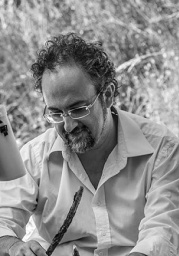
“For years in Italy and all over the world, our projects have had positive effects on the neighborhoods of the cities and villages in which we operate. Thanks to the preparation and sensitivity of our educators and operators who are able to discover and enhance the strengths of children and parents, to broaden their horizons and give them the tools to grow in a structured way”
The Method: Pedagogy as a tool for self-realization
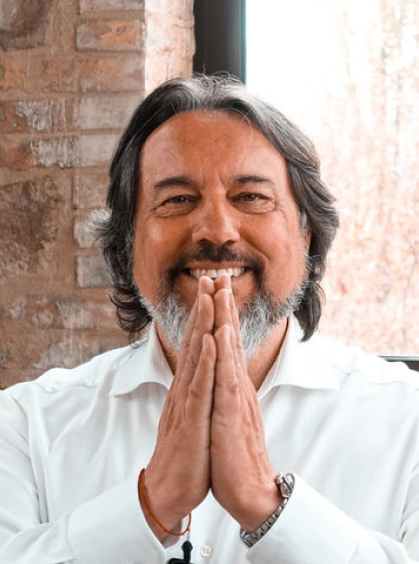
The Tree of Life Trust aspires to a world where each individual finds greater self-awareness through a process of self-education aimed at continuous improvement. A world where children are recognized as having great dignity and an authentic potential for innovation, to be protected and developed in every environment with coherent approaches and appropriate methodologies. The Tree of Life inspires his vision of man and his possible becoming to the principles and approaches of "Pedagogy for the Third Millennium" of the Patrizio Paoletti Foundation for Development and Communication.
With the Pedagogy for the Third Millennium method we support the natural desire present in every child and in every man for continuous improvement for themselves and for society.
Childhood at the centre
The child is the true protagonist of our commitment
We dedicate projects and campaigns to childhood to promote the recognition of children's personal and social potential, creating the conditions necessary to fully express it.
Our activities, including those within policy and advocacy spheres, aim to:
Recognizing childhood as an inalienable right
Helping children understand themselves and each other. Supporting families and communities in recognizing the central value of childhood.
Follow the principles of the Convention on the Rights of the Child
In particular, the principles of non-discrimination (Article 2), the best interests of the child (Article 3), the right to life, survival, development (Article 6), and participation and respect for the child's opinion (Article 12).
Promote social and educational policies in favor of childhood
Promote a culture of child care in all sectors of society that recognizes the centrality of family and school in the growth and well-being of children.
Our commitment to the future
We want to be architects of social transformation by inspiring the community to act with responsibility and determination to protect and promote children's rights by enhancing their potential.
Combating
poverty
We support children and families with dependent minors to improve their social and economic condition by promoting their autonomy and a change of perspective.
Explore the scope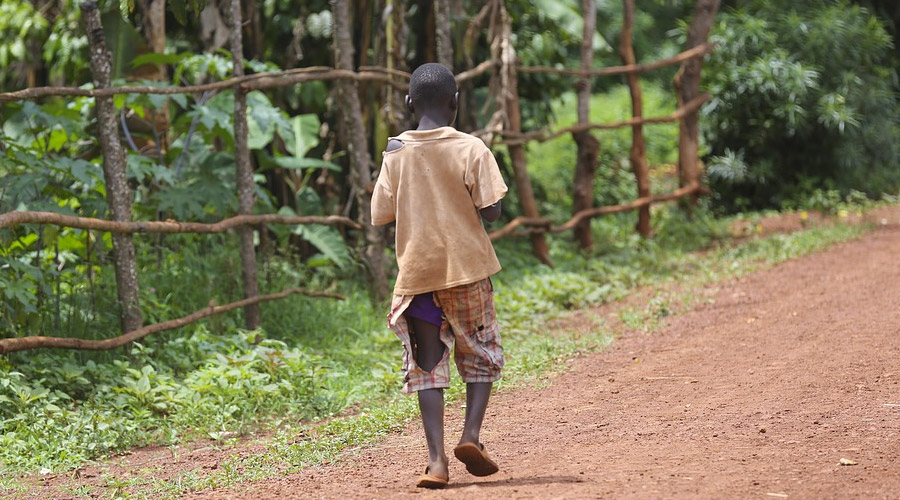
- Nutrition education
- Psychological support
- School inclusion
- Increasing educational, sports and leisure opportunities
Routes for
schools and
universities
We promote training paths and awareness projects in schools and universities to foster civic responsibility and active citizenship.
Explore the scope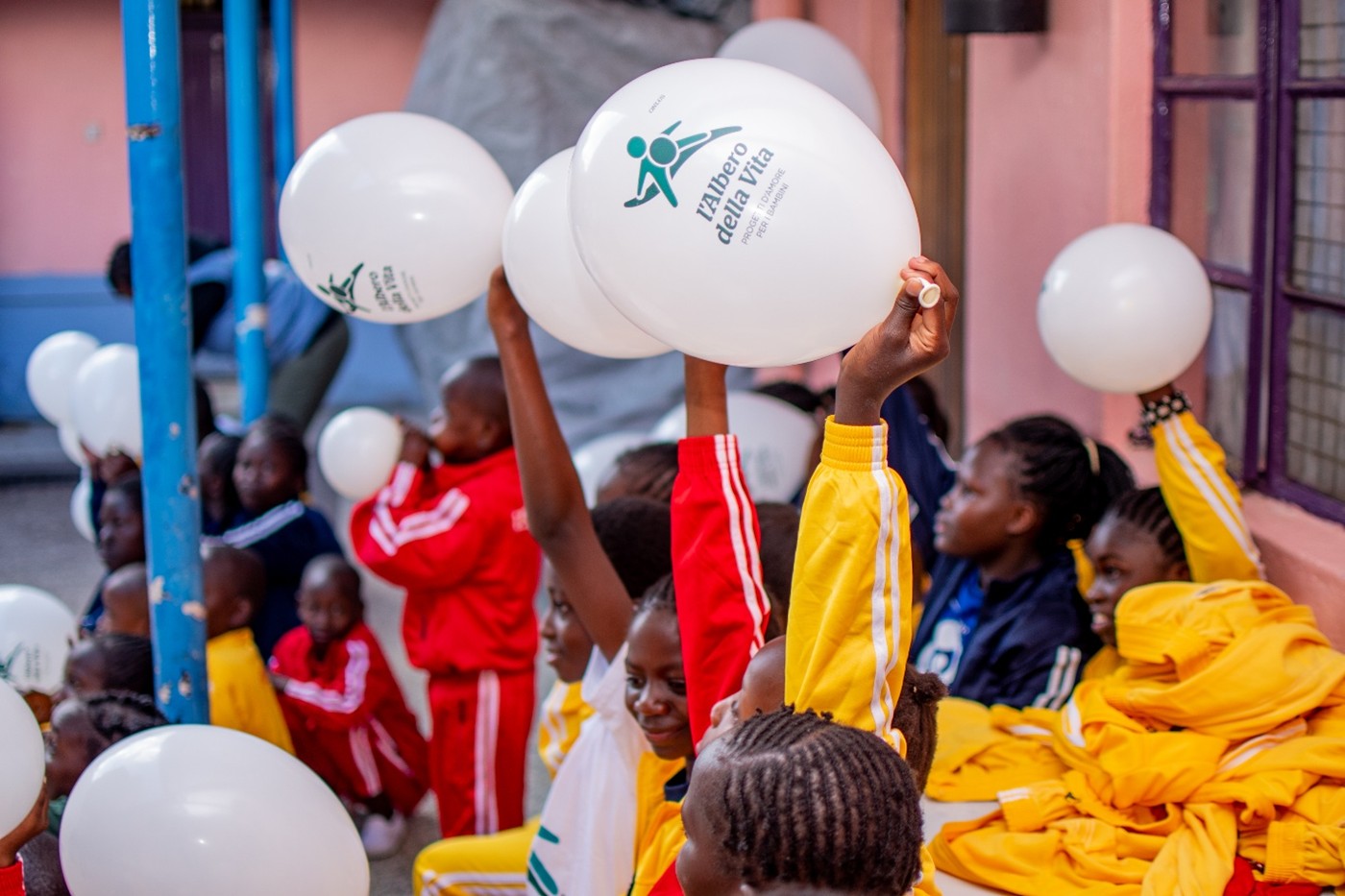
- Educational workshops and seminars
- Active citizenship modules
- University partnership research programs
Communities
for minors
We provide children and young people in difficulty with safe, supportive and stimulating spaces where they can grow with dignity, confidence and hope.
Explore the scope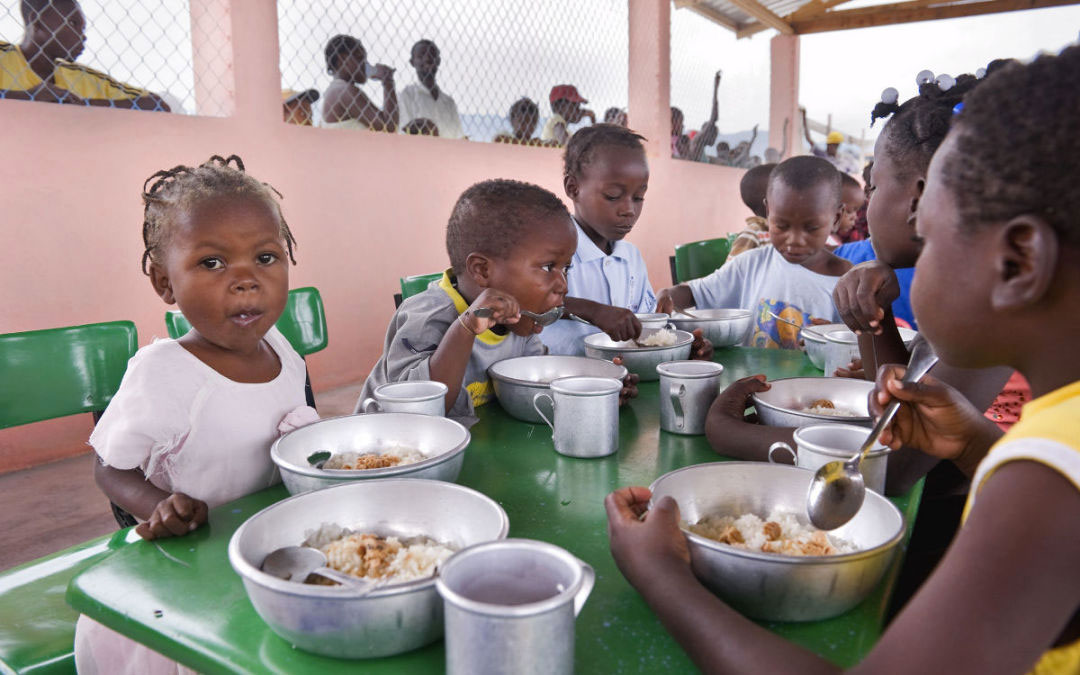
- Increase the number of children taken in
- Increase the number of towns where new communities for minors can be established.
- Make the costs of specialist visits and medical devices (appliances, glasses, etc.) sustainable
- Increase the number of diapers and hygiene products available
- Supporting the cost of therapy activities for vulnerable children
- Growing the Foster Care Program
Family foster
care
We guarantee every child the priority right to grow up and be educated in an appropriate family context.
Explore the scope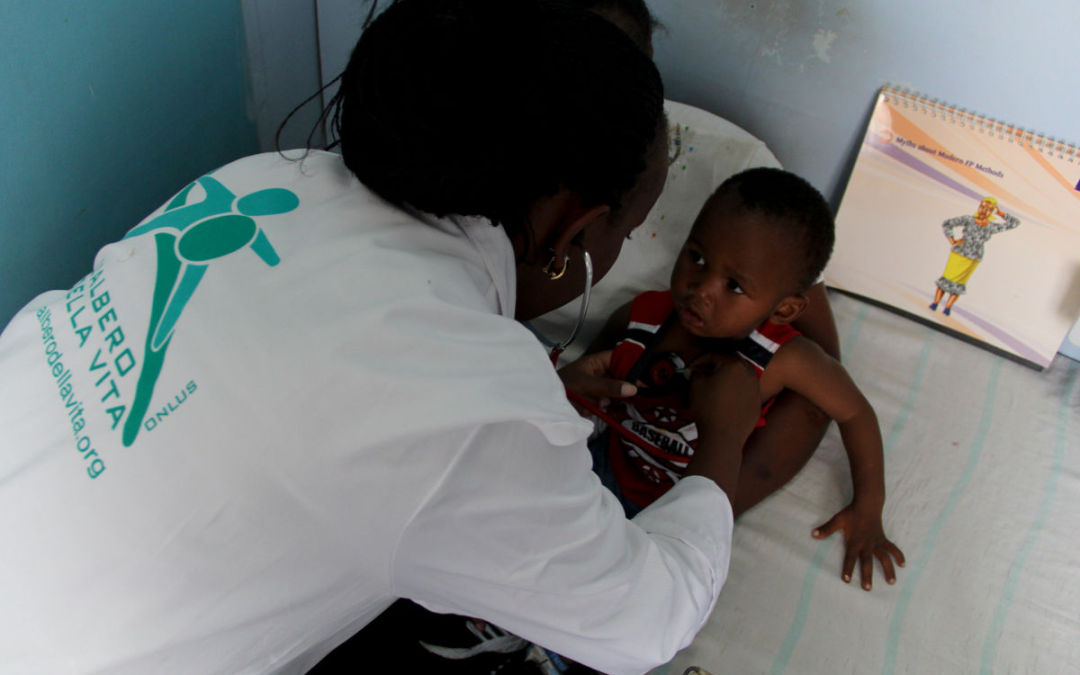
- Provide ongoing support to foster families
- Ensure a greater match between the needs of the child and the characteristics of the foster family
- Strengthening its impact in tackling child poverty
Mother-child
welcome
We accompany mothers to achieve complete autonomy in the care of both themselves and their sons and daughters.
Explore the scope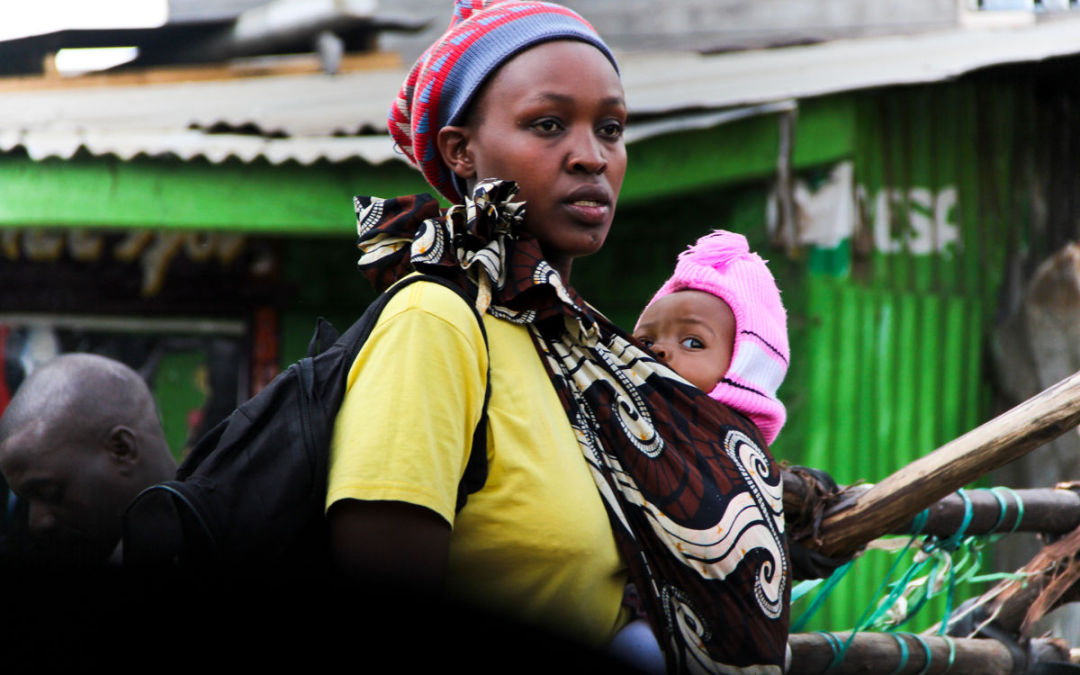
- Improving the autonomy of single mothers to help them rediscover their self-confidence and thriving future.
- To be present in several counties to support more and more families by also offering home based education services
- Support pedagogical and accompanying advice up to job placement
Gender
equality
We promote gender equality with educational programs, awareness campaigns and support for victims of discrimination.
Explore the scope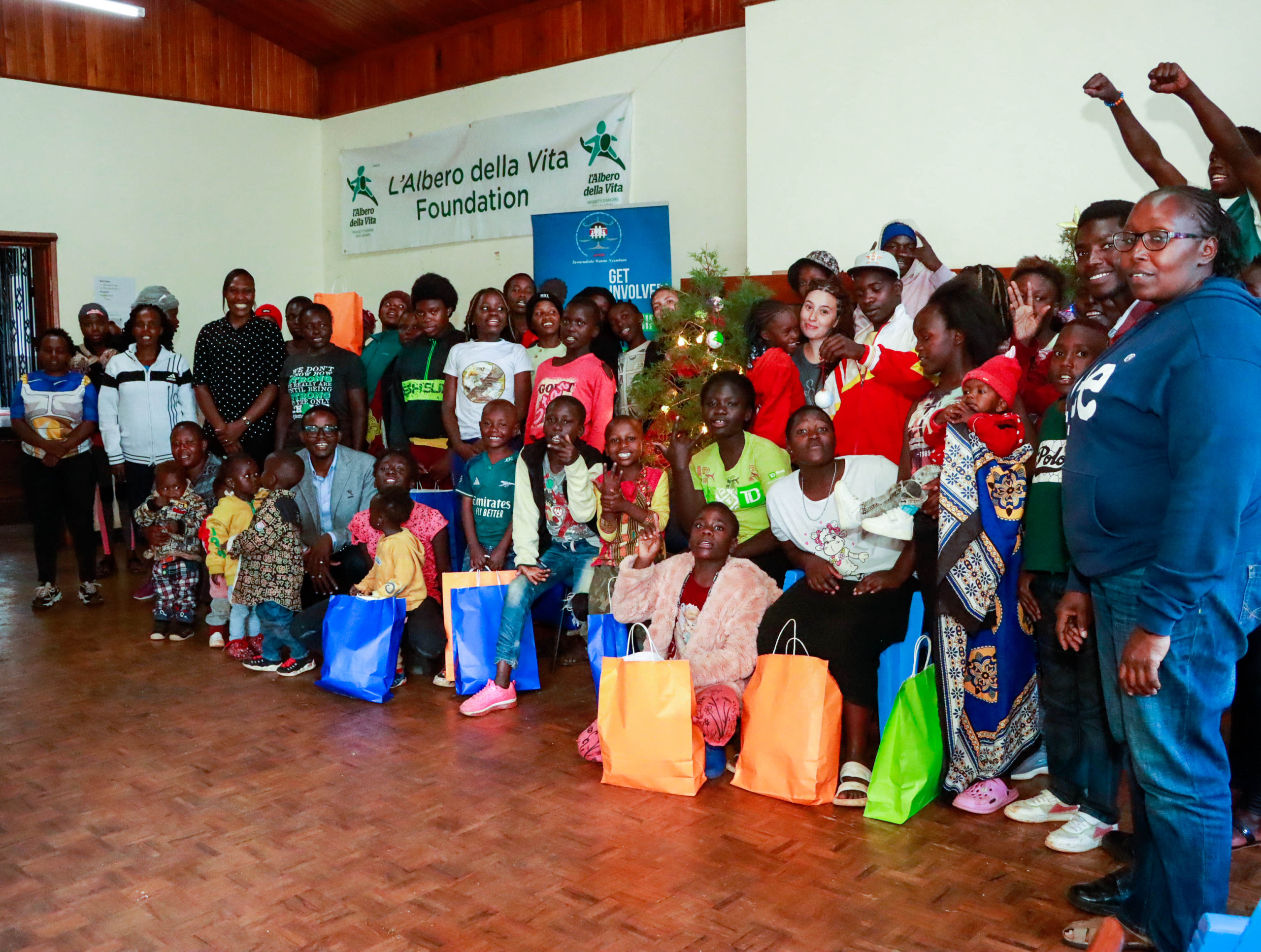
- To nurture informed, engaged and responsible citizens who contribute meaningfully to their families, communities, schools and workplaces.
- Educating the new generation, together with their families, to respect and value differences and gender equality
- Supporting the poorest communities in remote counties
Distance
support
We help children in remote areas of Kenya to have a better future by guaranteeing them access to education, medical care and basic necessities.
Explore the scope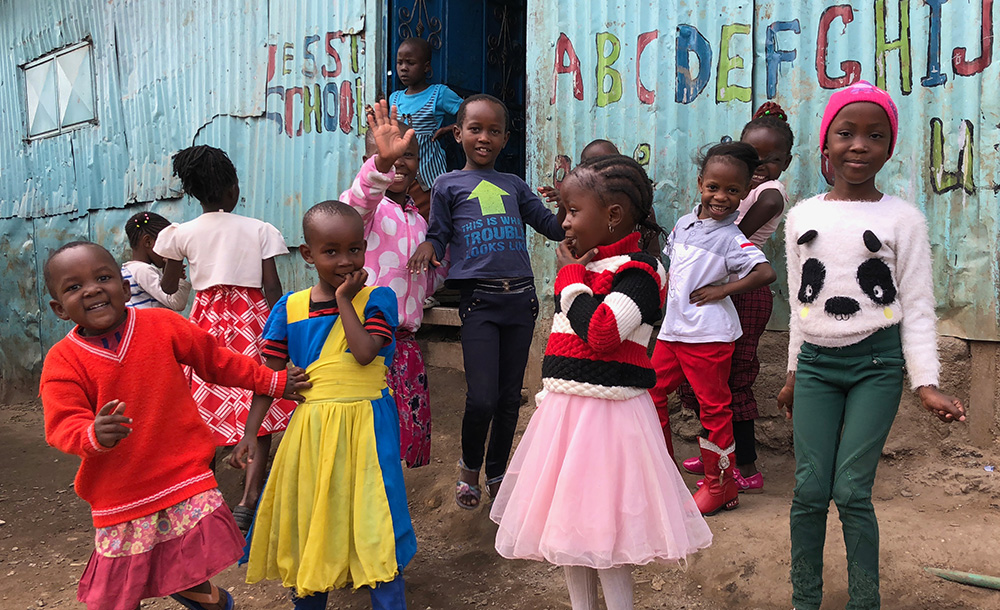
- Improve academic performance by ensuring education through decent facilities
- Ensure good health and support programs for physical and cognitive development
- Raise awareness and involve families and the entire community
How we use the funds raised
Every donation helps support our projects and management costs
View our reportCover organisational and administrative needs
We invest them to add improvements to the funded projects and activate other donations
They are intended to finance all phases of the project, step by step