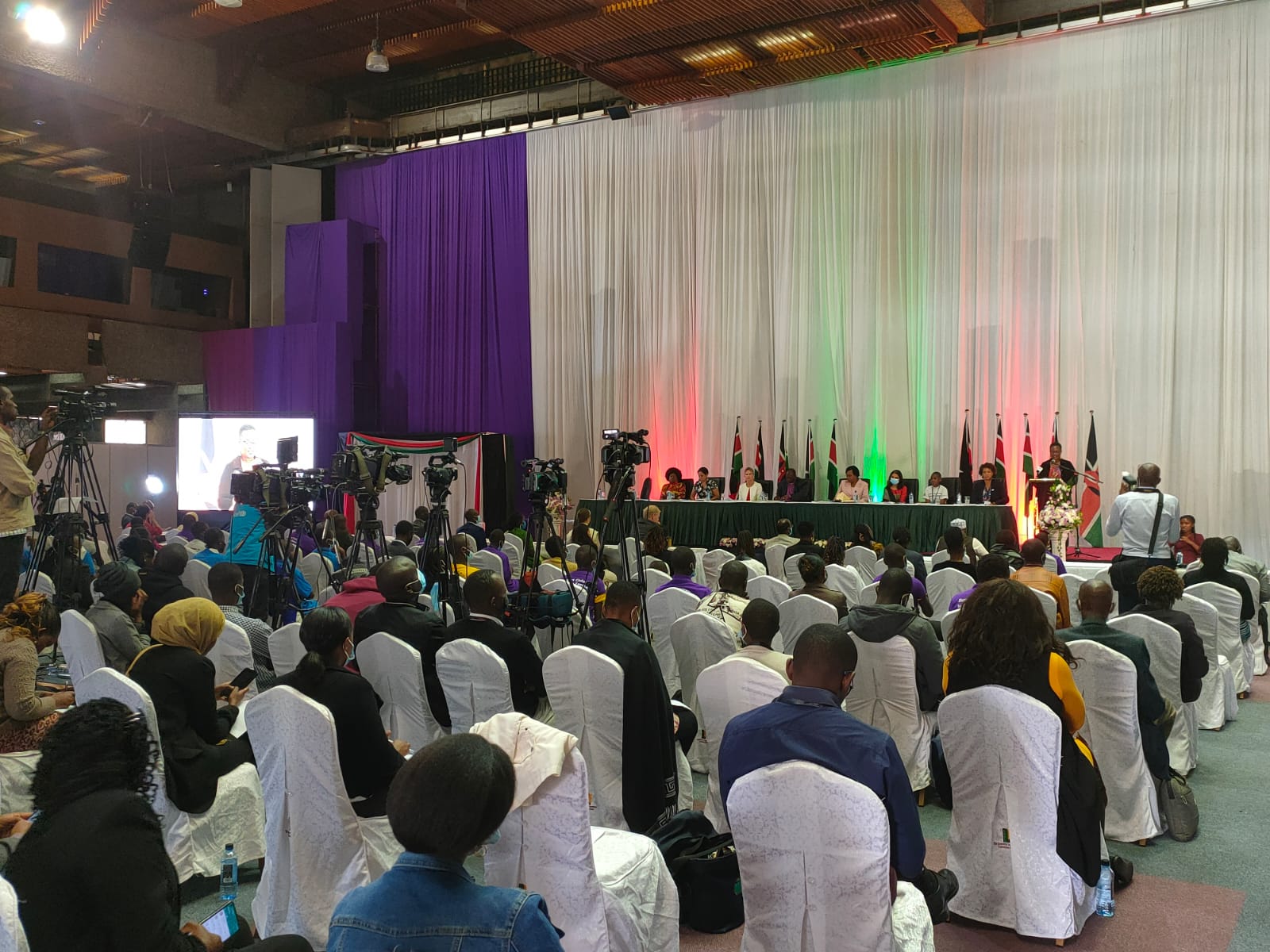
There are moments that define the future of a nation.
For Kenya’s child protection sector, one such moment arrived with the official launch of the National Care Reform Strategy for Children in Kenya 2022–2032, a landmark framework that seeks to transform the lives of thousands of vulnerable children by placing families, rather than institutions, at the heart of care and protection.
Tree of Life Kenya was honored to participate in this historic event, marking the culmination of years of collaboration, advocacy, technical expertise, and commitment from government agencies, civil society organizations, development partners, and child protection practitioners across the country.
For Tree of Life, the launch represented more than the unveiling of a policy document. It was the realization of a vision that has guided our work for many years: ensuring that every child grows up in a safe, loving, and nurturing family environment.
Rethinking Child Protection in Kenya
Kenya is home to one of the youngest populations in the world, with children accounting for nearly half of the country’s population.
For decades, residential care institutions were widely viewed as the primary solution for children facing abandonment, neglect, poverty, abuse, or family breakdown. Before the COVID-19 pandemic, more than 45,000 children were living in residential care facilities across the country, in addition to hundreds of children accommodated in juvenile justice institutions.
Yet behind many of these cases were families struggling with extreme poverty, social exclusion, limited access to services, and other vulnerabilities that often led to family separation.
Over time, research from around the world has consistently demonstrated that children thrive best in family and community environments. Studies spanning more than eighty years have shown that prolonged institutionalization can have significant impacts on a child’s emotional, psychological, and social development.
The Care Reform Strategy acknowledges this reality and seeks to fundamentally shift the child protection system from institutional care towards family and community-based care solutions.
Placing Families at the Centre
At its core, the National Care Reform Strategy is built on a simple but transformative principle: children belong in families.
Led by the Government of Kenya through the National Council for Children’s Services (NCCS), the Directorate of Children’s Services (DCS), and the State Department for Social Protection, the strategy emerged through an extensive consultative and participatory process involving stakeholders from across the country.
The reform is anchored on three key pillars:
Preventing Family Separation and Strengthening Families
Supporting vulnerable families before separation occurs through family strengthening programs, economic empowerment, psychosocial support, and community-based services.
Strengthening Alternative Family Care
Promoting family-based care options, including foster care, kinship care, guardianship, and other community-based alternatives for children who cannot remain safely with their biological families.
Family Tracing, Reintegration, and Transition
Facilitating the safe reunification of children with their families and supporting the gradual transition from institutional care towards family and community-based care systems.
Together, these pillars represent a bold commitment to ensuring that every child has the opportunity to grow up in a caring and supportive family environment.
Tree of Life’s Contribution to the Reform Journey
Over the last three years, Tree of Life Kenya has played an active role in supporting the development of the National Care Reform Strategy.
Working alongside government institutions and sector partners, our team provided ongoing technical assistance and expertise throughout the strategy development process.
Among our key contributions was leading the development of two critical national training resources:
- Facilitators Training Manual for Providing Foster Care Services in Kenya
- National Foster Parents’ Facilitator’s Manual
These tools now serve as foundational resources for strengthening foster care services and supporting families who open their homes to vulnerable children.
Tree of Life also guided the development of foster care Standard Operating Procedures, which were ultimately integrated into the national framework known as the:
Standard Operating Procedures for Alternative Family-Based and Community-Based Care of Children in Kenya.
These resources will help ensure consistency, quality, and accountability as Kenya expands family-based care services nationwide.
Protecting Children in a Digital Age
The launch event also marked another significant milestone in child protection.
Alongside the Care Reform Strategy, stakeholders unveiled the National Plan of Action to Tackle Online Child Sexual Exploitation and Abuse, recognizing the growing risks that children face in digital spaces.
As internet access continues to expand, safeguarding children online has become an increasingly important priority, requiring coordinated action from government, communities, families, and technology stakeholders.
The Journey Ahead
While the launch of the National Care Reform Strategy is a major achievement, it is only the beginning.
The next decade will focus on implementation, strengthening families, expanding foster care systems, supporting reintegration efforts, building community-based services, and ensuring that children receive the care and protection they deserve.
This work will require sustained commitment, collaboration, investment, and innovation from all stakeholders.
For Tree of Life Kenya, the mission remains clear.
We will continue to walk alongside children, families, communities, and government partners as Kenya advances toward a child protection system that prioritizes love, belonging, dignity, and opportunity.
As Mother Teresa once said:
“The hunger for love is much more difficult to remove than the hunger for bread.”
By strengthening families and creating supportive communities, we can ensure that every child experiences not only protection, but also love, connection, and the opportunity to thrive.
The future of child protection in Kenya is family-centred, community-driven, and filled with hope. Tree of Life Kenya is proud to be part of that journey.